
GNOME Desktop Environment Guide: Architecture, GTK4 & Extensions
GNOME is the most widely deployed desktop environment in the Linux world. Chosen as the flagship interface for Ubuntu, Fedora Workstation, Debian, and Red Hat Enterprise Linux, modern GNOME provides a clean, distraction-free, keyboard-driven workspace built upon cutting-edge GTK4 and Wayland technologies.
1. The Core Architecture of Modern GNOME
Unlike legacy 1990s desktops, modern GNOME (GNOME 40 through GNOME 47+) is an integrated compositor and shell system:
- Mutter (Compositing Window Manager): The graphics heart of GNOME. Mutter acts as both a Wayland compositor and window manager, utilizing OpenGL and Vulkan hardware acceleration to render fluid workspace transitions and fractional display scaling.
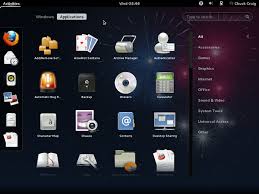
- GNOME Shell: The visible user interface layer written in C and JavaScript (via GJS - GNOME JavaScript bindings). It manages the top bar, status indicators, and the Activities Overview.
- Activities Overview: Invoked with the Super (Windows) key. It arranges all active windows side-by-side, exposes horizontal dynamic workspaces, and provides an instant fuzzy-search bar for files, calculations, and applications.
- Nautilus (GNOME Files): The modern file manager, featuring responsive GTK4 layout, tabbed navigation, batch file renaming, and native cloud integration (Google Drive, Nextcloud, WebDAV).
2. The Toolkit: GTK4 & Libadwaita
GNOME applications are programmed using GTK4 paired with Libadwaita:
- Libadwaita provides a consistent, elegant visual language adhering strictly to GNOME Human Interface Guidelines (HIG).
- Applications automatically adapt their layout dynamically from smartphone screens (Linux mobile) to multi-window 4K desktop monitors.
- System-wide dark mode switches seamlessly with a single click in the Quick Settings menu.
3. Customizing GNOME: Extensions & Tweaks
While GNOME defaults to a minimalist layout, users can transform the desktop into any workflow using GNOME Shell Extensions:
- Dash to Dock: Transforms the hidden dash into a permanent macOS or Ubuntu-style desktop dock.
- AppIndicator: Restores traditional system tray notification icons for apps like Discord, Steam, or Spotify.
- Blur my Shell: Adds stunning frosted-glass blur effects to the top bar, application overview, and lock screen.
- GNOME Tweaks: A utility enabling custom fonts, window button placement (moving minimize/maximize to the left or right), and mouse acceleration profiles.
Beginner Student Practice Lab: GNOME Terminal Controls
Hands-on Lab: Query and Tweak GNOME with gsettings
GNOME stores all user configurations in an internal database queried via the gsettings command:
- Query your current GNOME Shell version:
gnome-shell --version - Display the active system GTK theme:
gsettings get org.gnome.desktop.interface color-scheme - Toggle system-wide dark mode via the command line:
# Turn on Dark Mode: gsettings set org.gnome.desktop.interface color-scheme 'prefer-dark' # Turn on Light Mode: gsettings set org.gnome.desktop.interface color-scheme 'default' - Show minimize and maximize window buttons on windows:
gsettings set org.gnome.desktop.wm.preferences button-layout ":minimize,maximize,close"
Frequently Asked Questions (FAQs)
gsettings.
sudo apt install gnome-shell-extension-manager). It lets you search, install, configure, and update extensions directly from extensions.gnome.org with a single click.
Next Step: Discover Limitless Customization with KDE
If GNOME represents minimalism and focus, its legendary rival represents freedom, power, and infinite customization: KDE Plasma! Let's explore KDE Plasma 6 in Class 19.


You may also like this!
© Veewom.com. | Managed by PinePL
